
Boost employee retention with mental health support. Discover 7 proven strategies for reducing turnover and promoting wellbeing in the workplace.
Supporting employee mental health isn’t just the right thing to do – it’s good for business.
For sectors where workforce stability makes a real difference – like manufacturing, metals and engineering, transport and logistics, and sales and marketing – focusing on wellbeing and mental health support can help you boost retention, cut absenteeism, and maintain productivity.
If you're looking for support in this area, you're in the right place. We'll walk you through seven proven mental health strategies, tailored to industries where wellbeing directly impacts success.
What We'll Cover:
- Why Mental Health Support Matters for Retention.
- 7 Ways to Boost Retention Through Workplace Mental Health Support.
- Next Steps: Building a Healthier, More Resilient Workforce.
Why Mental Health Support Matters for Retention
Keeping hold of great employees is top priority, especially when the competition for talent is tough. But, all too often, even the most well-meaning organisations forget about the role employee wellbeing plays.
Supporting mental health at work doesn’t just boost morale; it makes a real difference to retention by creating a healthier, more resilient workforce. This is particularly relevant in sectors like manufacturing and logistics, where high turnover can disrupt production and efficiency.
Recent government data shows that mental health issues are a significant factor in workplace absenteeism and turnover:
-
1 in 4 people experience a mental health problem each year in England.
-
1 in 6 people report experiencing a common mental health issue, such as anxiety or depression, in any given week.
-
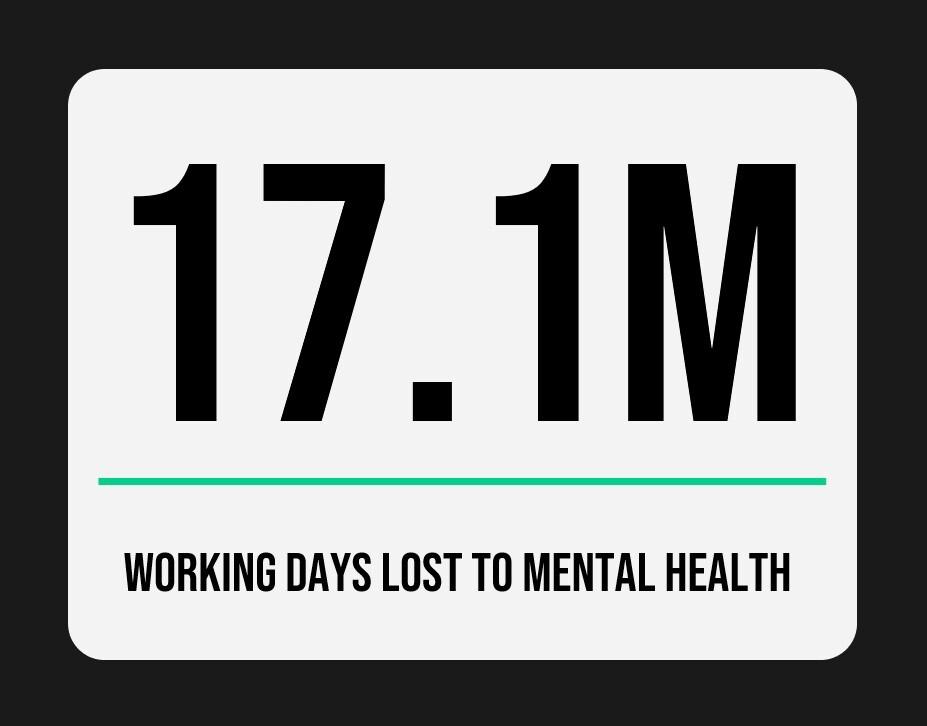
In the 2022–23 financial year, 17.1 million working days were lost due to work-related stress, depression, or anxiety, accounting for 49.4% of all work-related ill health cases.
Clearly, poor employee wellbeing is a big problem – and one that isn't going away anytime soon. That's why taking a proactive approach will be vital for maintaining consistent output and reducing recruitment costs in demanding sectors.
7 Strategies to Boost Retention Through Workplace Mental Health Support
To make a real and lasting difference, you'll need to use practical, proven strategies. Let’s look at seven easily actionable ways you can create a healthier workplace and keep hold of great employees.
1. Create a Safe Space for Open Communication
Building an environment where employees feel safe talking about mental health is key. In high-pressure environments, including industrial sectors, regular opportunities to discuss wellbeing help maintain morale and reduce stress levels.
What to Do:
-
Set up regular wellbeing check-ins with staff.
-
Encourage managers to be approachable and empathetic.
-
Create anonymous feedback channels to understand employee concerns.
Metals & Manufacturing Focus:
Creating a safe space for mental health conversations can directly impact retention. Regular wellbeing check-ins can help reduce stress in physically demanding roles, keeping production consistent.
2. Provide Mental Health Training & Resources
Train staff to recognise mental health challenges and equip teams to support each other. This is useful in a wide variety of sectors, from manufacturing to sales and marketing, where high performance expectations can increase stress levels.
What to Do:
-
Set up mental health awareness training for managers and staff.
-
Provide access to online mental health resources and support modules.
-
Offer practical guides on managing workplace stress.
3. Promote Work-Life Balance
It can be tough balancing work and personal life, especially for professionals with unpredictable hours, like haulage drivers. The good news is that flexible work arrangements can make a big difference when it comes to reducing stress and preventing burnout.
What to Do:
- Survey your employees to find out what they need, and build new policies around the responses.
-
Set up flexible work policies to support work-life balance.
-
Encourage regular breaks and the use of holiday entitlement.
-
Lead by example and ensure senior staff are modeling healthy work practices.
Logistics Insight:
Reducing driver stress through flexible shifts not only lowers absenteeism but also improves safety on the road. Implementing wellbeing check-ins can reduce fatigue and build a more resilient driver workforce.
4. Employee Assistance Programmes (EAP)
EAPs offer valuable support for personal or work-related challenges. For sectors with physical demands or client-facing pressure, access to counselling and crisis intervention can significantly improve wellbeing.
What to Do:
-
Provide confidential counselling and mental health support.
-
Set up financial and stress management resources.
-
Promote the EAP as a proactive support option.
5. Implement Two-Way Mentoring Programmes
Two-way mentoring can enhance mental wellbeing by fostering open dialogue between junior and senior staff. This approach not only builds stronger professional relationships but also encourages sharing of diverse perspectives and coping strategies, reducing stress and isolation.
What to Do:
-
Pair junior and senior employees based on shared interests or skills gaps.
-
Establish clear goals for both mentors and mentees.
-
Create a feedback loop to continuously improve the programme.
-
Celebrate successes to encourage continued engagement.
Mentoring Insight:
Two-way mentoring builds community and support within the workplace, reducing stress and promoting long-term retention. For more details and implementation tips, check out our two-way mentoring guide.
6. Foster a Culture of Recognition & Appreciation
Feeling valued at work boosts motivation and career satisfaction. Particularly in fast-paced environments, recognising achievements helps maintain momentum and reduce turnover.
What to Do:
-
Regularly acknowledge and reward positive contributions.
-
Set up a peer recognition programme to encourage teamwork.
-
Offer small incentives for outstanding performance.
Recognition Matters:
Don’t underestimate the power of peer recognition. Building a culture of appreciation not only boosts satisfaction but also helps reduce turnover in roles where routine tasks can feel monotonous.
7. Measure & Monitor Employee Wellbeing
Regular monitoring of wellbeing helps spot issues early. In sectors with demanding workloads, keeping an eye on stress levels helps avoid burnout.
What to Do:
-
Use surveys to track employee sentiment and mental health regularly.
-
Monitor absenteeism to identify stress-related issues.
-
Review mental health initiatives periodically for effectiveness.
Next Steps: Building a Healthier, More Resilient Workforce
Investing in mental health at work is a strategic move that is proven to pay off. By implementing these simple but effective strategies, businesses can support employee happiness and benefit from improved retention as a result.
If you're ready to put these strategies into action, access our free downloadable Retention & Wellbeing Checklist now!

If you’re looking to improve retention within your sector, reach out to Aspion Search for tailored recruitment strategies that prioritise wellbeing.
FAQ: Why Wellbeing Is Important for Retention
Still have questions? We've got you covered:
- Why Is Mental Health Support Important for Employee Retention?
Providing mental health support in the workplace helps improve employee wellbeing, reduce absenteeism, and increase retention rates. It fosters a resilient workforce, particularly in high-pressure sectors like manufacturing and logistics.
- What Are Some Effective Mental Health Strategies to Boost Employee Retention?
Implementing initiatives like open communication, mental health training, and employee assistance programmes (EAPs) can help reduce turnover. Promoting work-life balance and recognising achievements also supports retention by enhancing morale and job satisfaction.
- How Can Recognising and Appreciating Employees Help With Retention?
Building a culture of recognition boosts morale and engagement. In high-turnover sectors like supply chain and manufacturing, regular acknowledgment of achievements encourages loyalty and reduces the desire to leave.
- Why Is Monitoring Employee Wellbeing Crucial for Retention?
Tracking employee happiness and engagement helps identify stressors before they escalate, allowing timely intervention. Regular monitoring is essential in sectors where workload peaks can lead to burnout if not addressed.
- What Are the Long-Term Benefits of Prioritising Workplace Mental Health?
Investing in mental health support leads to lower turnover, higher employee engagement, and improved productivity. For businesses, this means reduced recruitment costs and a more stable, resilient workforce.